Greek Mythology Paintings
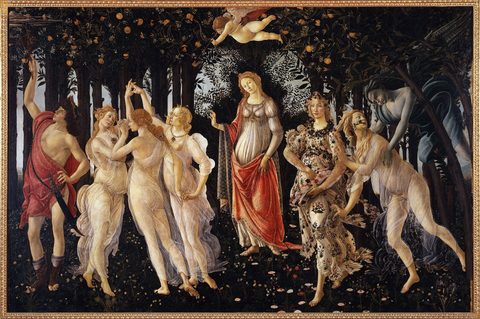
Greek mythology paintings show gods, heroes, nymphs, and transformations from written sources such as Ovid's Metamorphoses and the Homeric Hymns. A picture can focus on one figure, like Botticelli's Venus balanced on a scallop shell, or it can pack a broad canvas with abductions and battles. The works in this part of the catalogue range from Renaissance panels and Baroque oil paintings to late 19th-century and early 20th-century canvases, and they include Roman subjects as well as Greek stories.
A short history of Greek mythology paintings
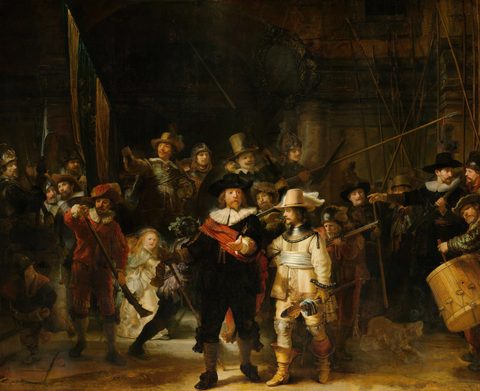
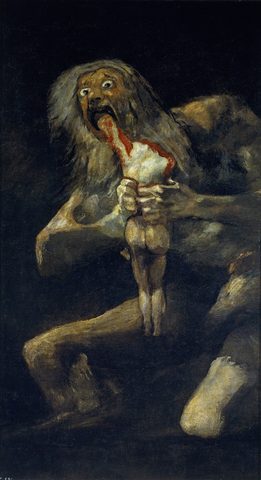
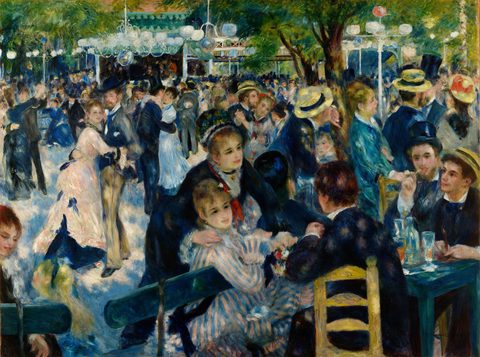
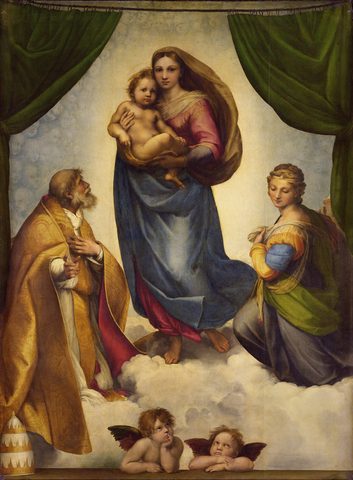
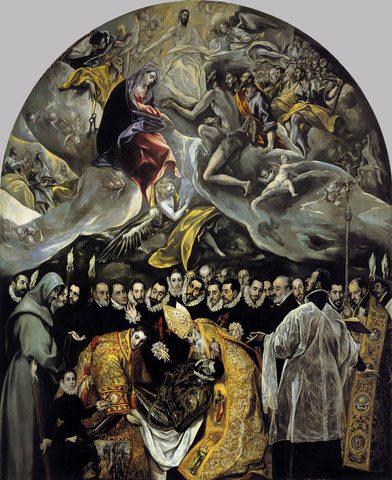
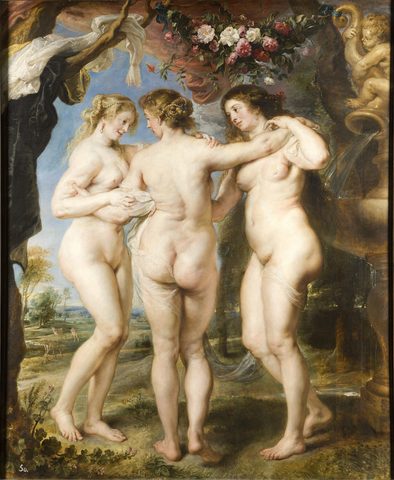
Mythology became a major subject in Italian painting during the 15th century, when Sandro Botticelli produced works such as The Birth of Venus and Primavera. Raphael continued the tradition in the early 16th century with frescoes and panel paintings of classical deities. In the 17th century, Peter Paul Rubens made large canvases of mythological episodes for courts, while Rembrandt used Greek and Roman stories for moody oil paintings. El Greco, born in Crete and trained in the Greek tradition, worked in Spain with a distinctive elongated style and only rarely painted myths. Francisco Goya turned to myth in the late 18th and early 19th centuries, often with a satirical or dark edge. By the late 19th century, Pierre-Auguste Renoir painted mythological themes as part of his wider interest in figures and landscapes, bringing a softer, more domestic tone to subjects that had once been grand public statements. The subject remained available to painters into the early 20th century, though it competed with modern life and abstraction.
Painters in this catalogue
Seven artists in this catalogue worked on mythological subjects. Sandro Botticelli (1445-1510) painted mythological panels in Florence, including The Birth of Venus and Primavera. His figures have clear outlines and pale color. Raphael (1483-1520) produced classical frescoes. Peter Paul Rubens (1577-1640) created oil sketches and large finished canvases of gods, heroes, and abductions. He organized bodies in twisting diagonals. Rembrandt (1606-1669) used myth for oil paintings. He used dramatic shadow and a narrow range of browns. El Greco (1541-1614) painted mostly religious works and treated myth only rarely. Francisco Goya (1746-1828) treated myth as a vehicle for dark and satirical images, as in Saturn Devouring His Son. Pierre-Auguste Renoir (1841-1919) painted mythological figures with soft, modern brushwork.
What to look at
Start with composition: in Rubens's crowded mythological scenes, follow the diagonal lines of arms and bodies to see the action. Then check light: Rembrandt often uses a narrow beam to pick out a figure. Finally, look at the surface, whether smooth glazes or visible brushstrokes.