Portrait Paintings
Portrait paintings focus on a specific person, usually showing the face and often the shoulders or full figure. The sitter may be named or anonymous, and the likeness can be formal or psychological, with some artists choosing idealized features. In this catalogue, portrait paintings include oil studies, self-portraits, and group portraits by artists from the 15th to the early 20th century, all in the public domain. Sitters look directly at the viewer, turn in profile, or sit absorbed in their own thoughts. The range covers court portraits, middle-class sitters, and intimate studies of friends and family.
Painters
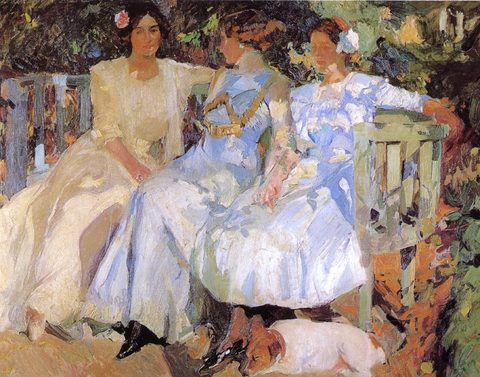
Joaquín Sorolla
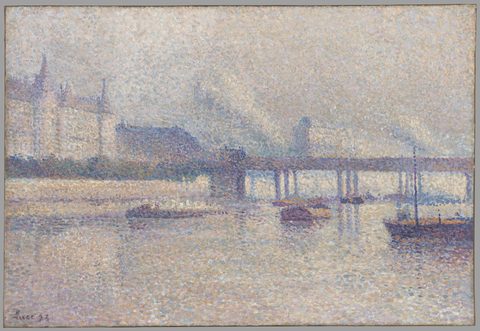
Maximilien Luce
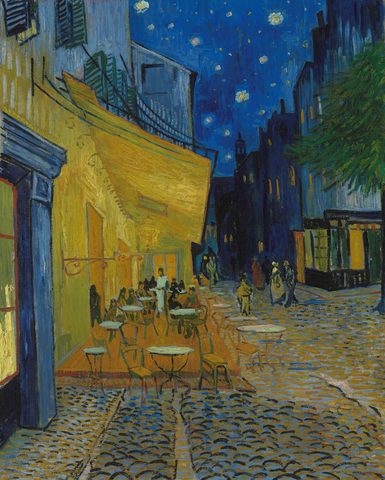
Vincent van Gogh
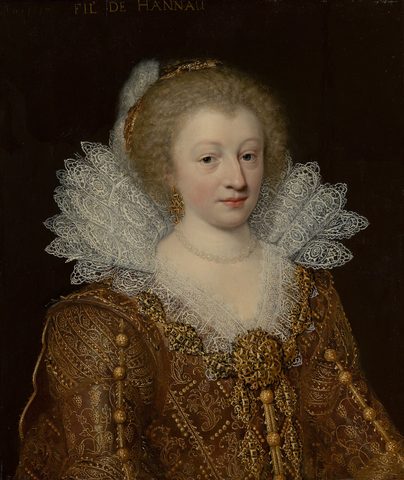
Jan van Ravesteyn
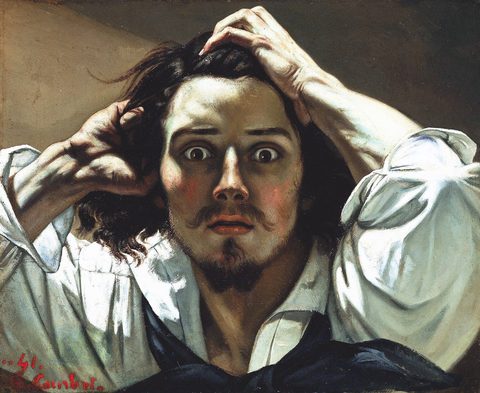
Gustave Courbet
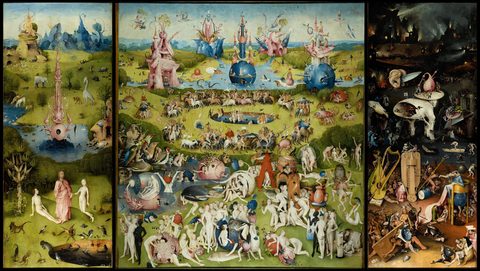
Hieronymus Bosch
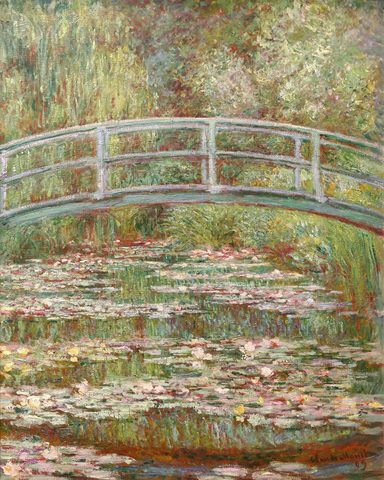
Claude Monet
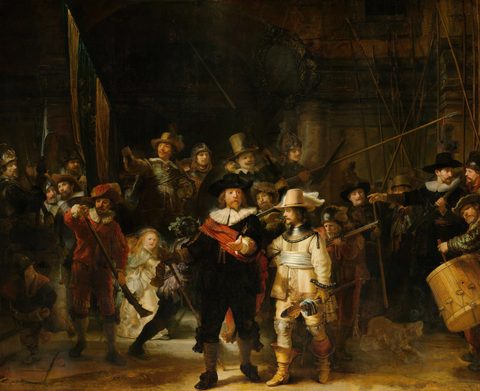
Rembrandt
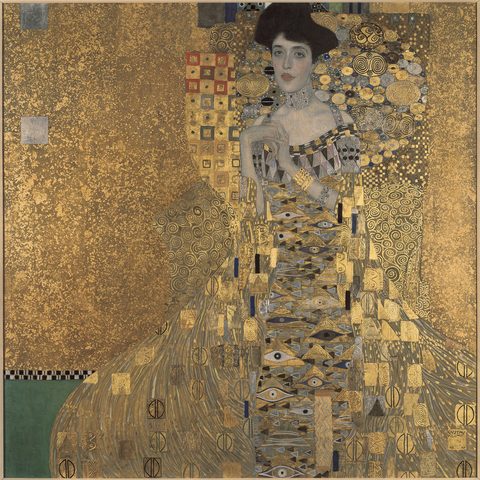
Gustav Klimt
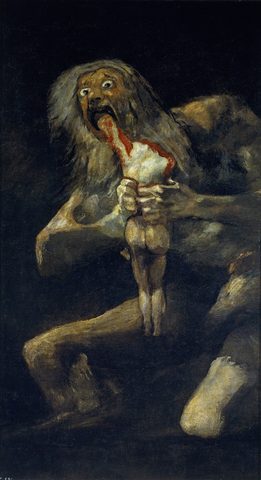
Francisco Goya
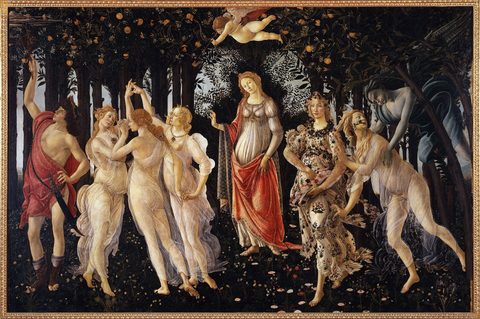
Sandro Botticelli
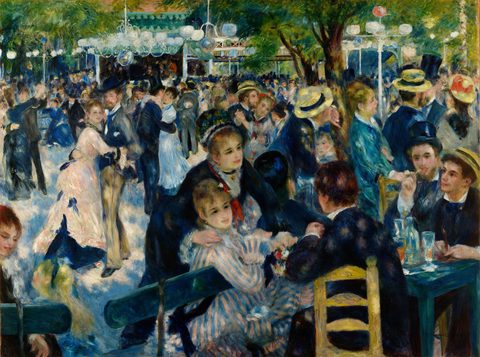
Pierre-Auguste Renoir
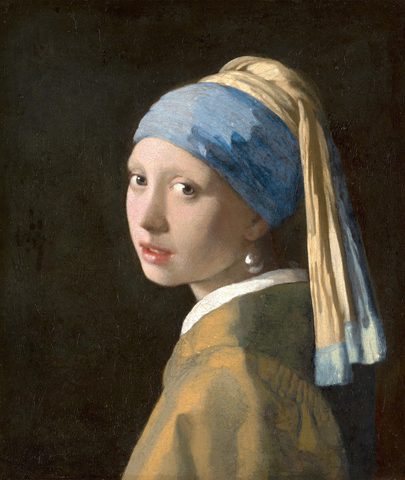
Johannes Vermeer
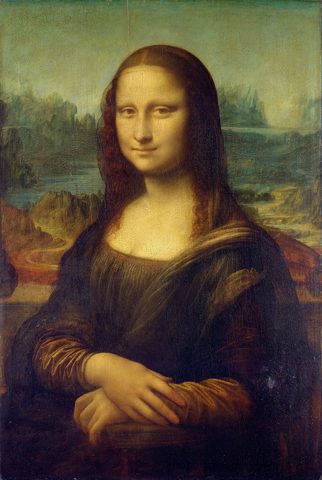
Leonardo da Vinci
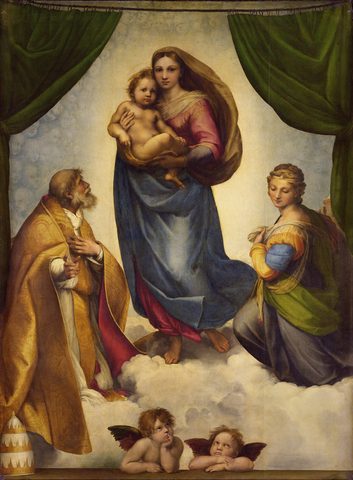
Raphael
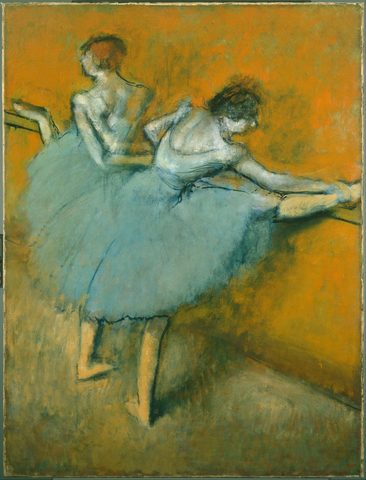
Edgar Degas
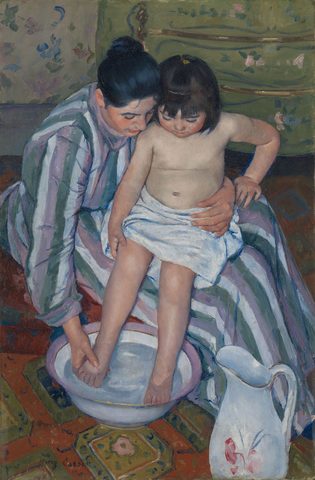
Mary Cassatt
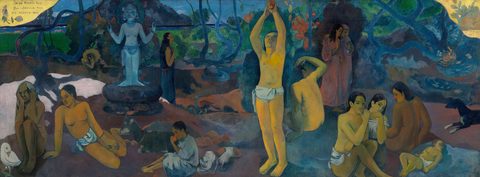
Paul Gauguin
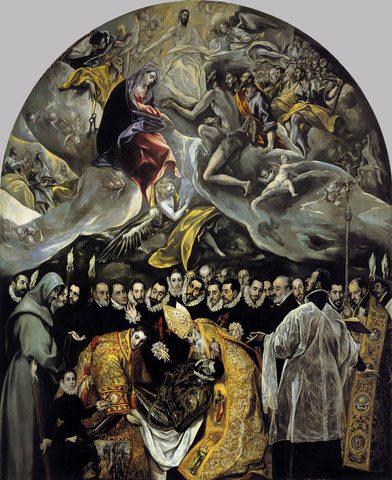
El Greco
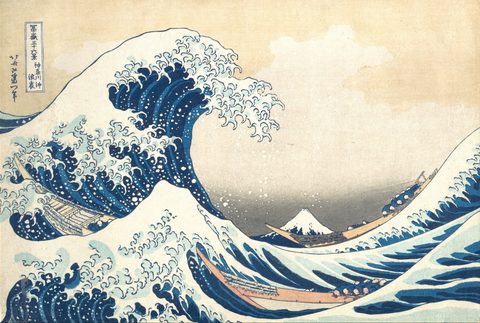
Katsushika Hokusai
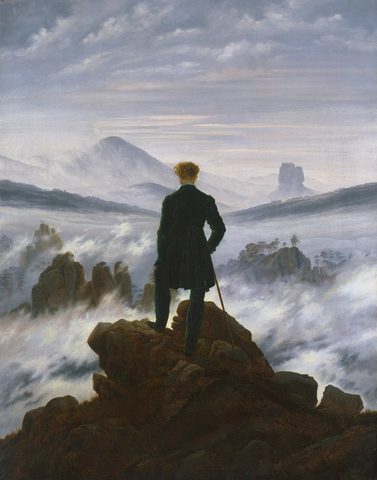
Caspar David Friedrich
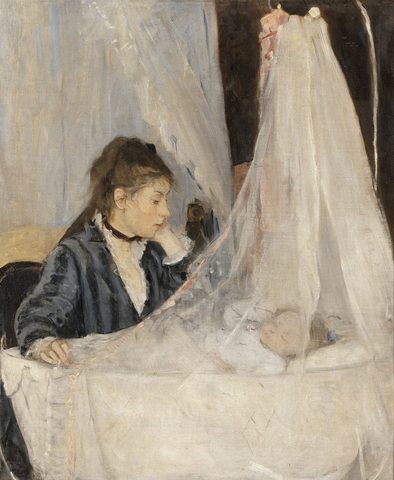
Berthe Morisot
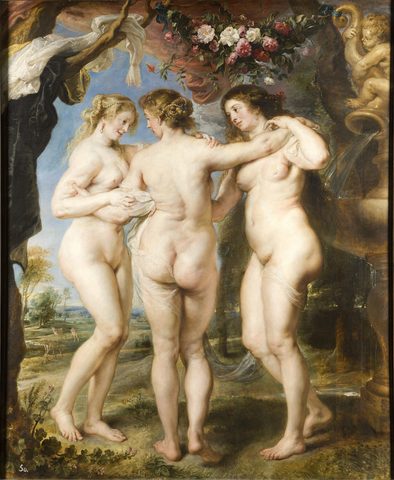
Peter Paul Rubens
A short history of portrait paintings
Portrait painting became more individual in the 15th century. Italian artists such as Sandro Botticelli (1445-1510), Leonardo da Vinci (1452-1519), and Raphael (1483-1520) moved away from strictly profile views and modeled faces in light and shadow. In the Netherlands, Jan van Ravesteyn (1572-1657) and Rembrandt (1606-1669) produced group portraits and self-portraits that recorded age and character. Johannes Vermeer (1632-1675) painted quiet interior scenes with single figures, often lit from a window. Peter Paul Rubens (1577-1640) gave his sitters lively poses and strong coloring. In Spain, El Greco (1541-1614) and Francisco Goya (1746-1828) brought elongated forms and unsparing observation to their sitters. By the 19th century, portrait paintings by Gustave Courbet (1819-1877), Edgar Degas (1834-1917), and Berthe Morisot (1841-1895) treated friends and family with new informality. Joaquín Sorolla (1863-1923) and Mary Cassatt (1844-1926) used daylight and loose brushwork. Gustav Klimt (1862-1918) and Vincent van Gogh (1853-1890) turned portraits into studies of surface pattern and emotional color.
Painters in this catalogue
Rembrandt (1606-1669) returned to his own face throughout his life, building self-portraits from thick paint and dark backgrounds. Johannes Vermeer (1632-1675) placed a single figure beside a window, with cool daylight falling across the face and hands. Francisco Goya (1746-1828) painted Spanish sitters with direct, sometimes unflattering attention. Gustav Klimt (1862-1918) set pale faces against flat, patterned surfaces of gold and geometric shapes. Vincent van Gogh (1853-1890) used short, separate brushstrokes in self-portraits, building skin from touches of contrasting color. Joaquín Sorolla (1863-1923) painted sitters in bright daylight, with loose white brushwork and warm flesh tones. Mary Cassatt (1844-1926) often painted women and children in informal poses, using pastel and oil with quick strokes. Leonardo da Vinci (1452-1519) modeled faces through soft shadow, leaving the edges of the mouth and eyes slightly blurred.
What to look at
Check where the eyes sit and how much space surrounds the head. Notice whether light falls from a single side or spreads evenly across the face. Look at paint thickness, visible brushwork, and changes in skin tone from forehead to neck. Try comparing two portraits side by side.