Famous Paintings in Public Collections
This page is a guide to famous paintings that are in public collections and in the public domain. Most works listed here have their own page with the date, medium, size, and owning museum, plus a short explanation of what you see in the picture. The selection runs from Renaissance frescoes to early twentieth-century canvases. You can use the period headings below to jump to a group of works, or simply browse the names in order. The list includes Leonardo da Vinci's Mona Lisa, Vermeer's Girl with a Pearl Earring, and van Gogh's The Starry Night, among many others.
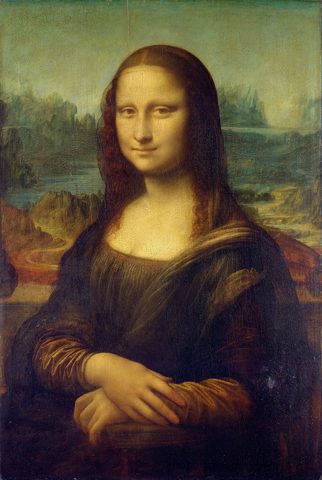
Mona Lisa
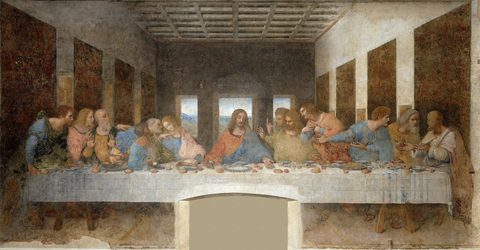
The Last Supper
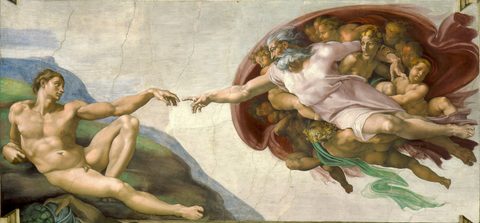
The Creation of Adam
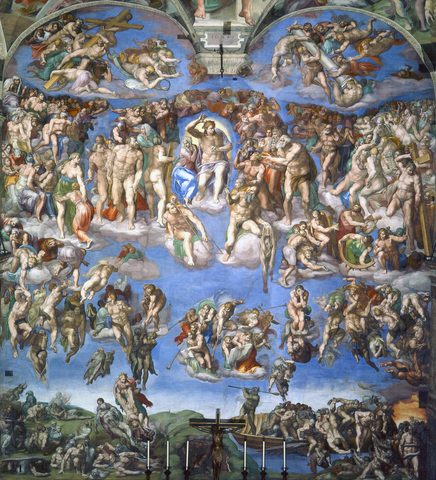
The Last Judgment
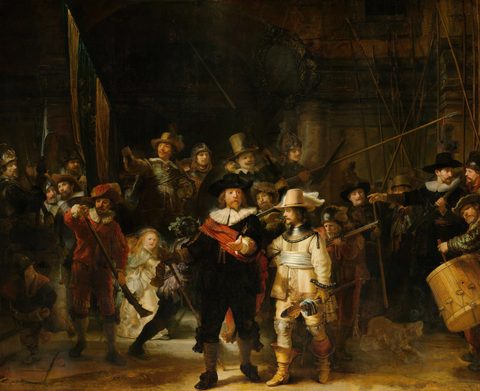
The Night Watch
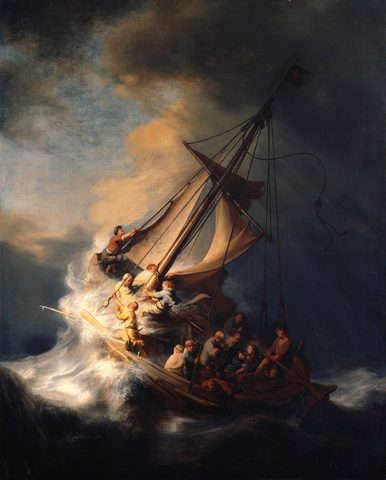
The Storm on the Sea of Galilee
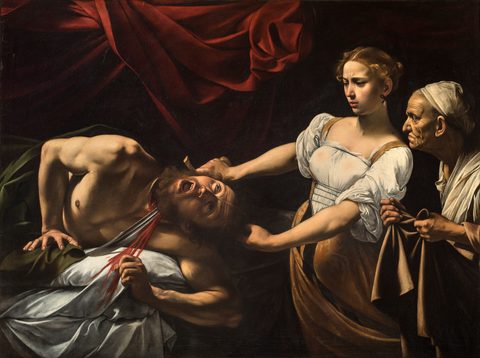
Judith Beheading Holofernes
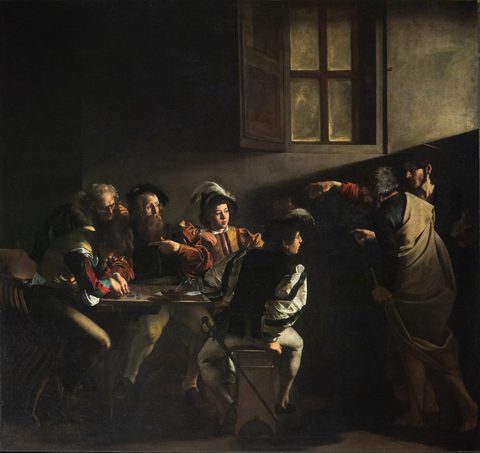
The Calling of Saint Matthew
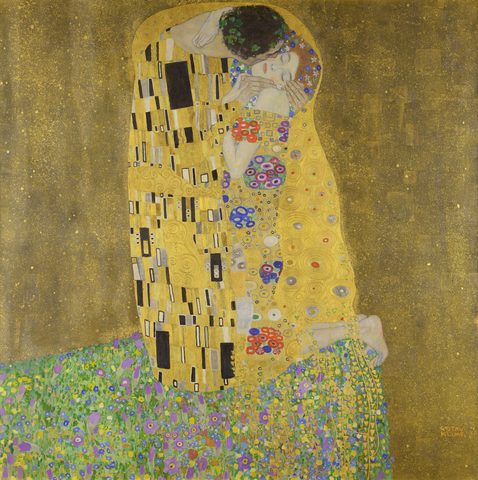
The Kiss
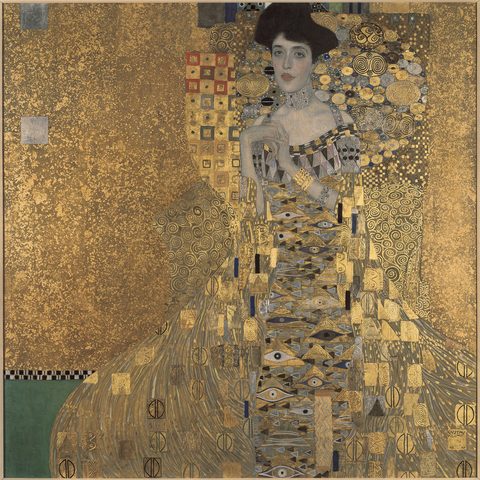
Portrait of Adele Bloch-Bauer I
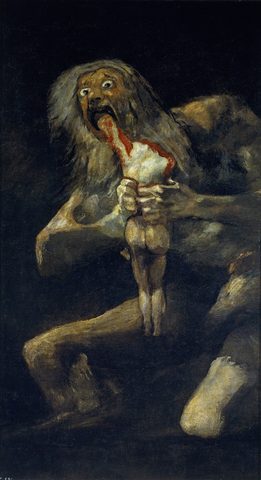
Saturn Devouring His Son
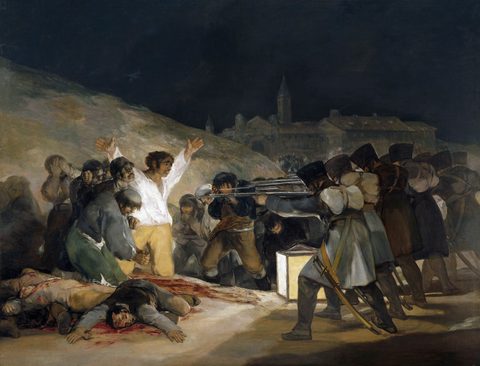
The Third of May 1808
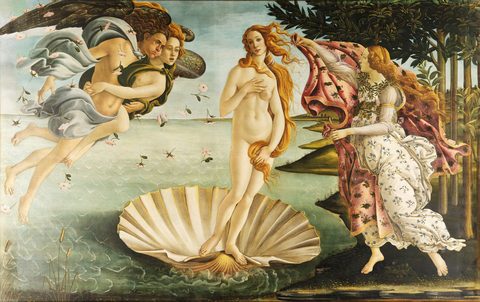
The Birth of Venus
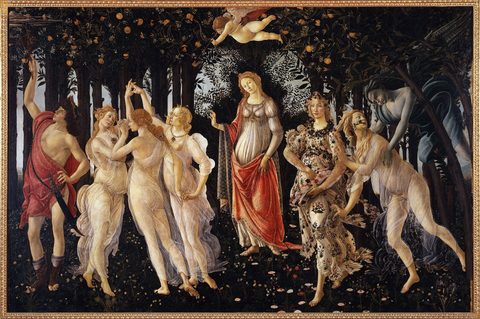
Primavera
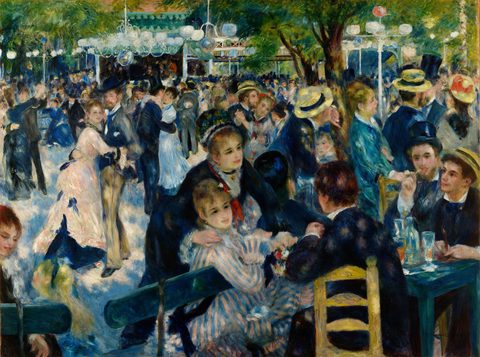
Bal du moulin de la Galette
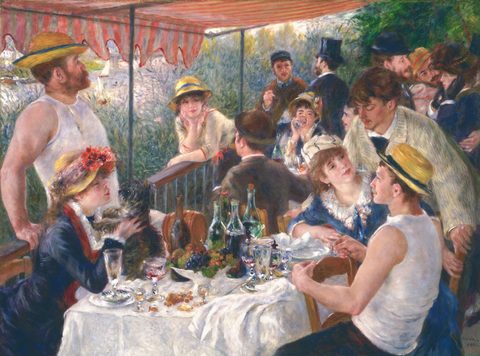
Luncheon of the Boating Party
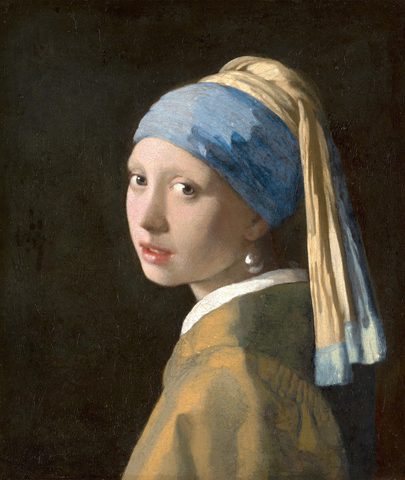
Girl with a Pearl Earring
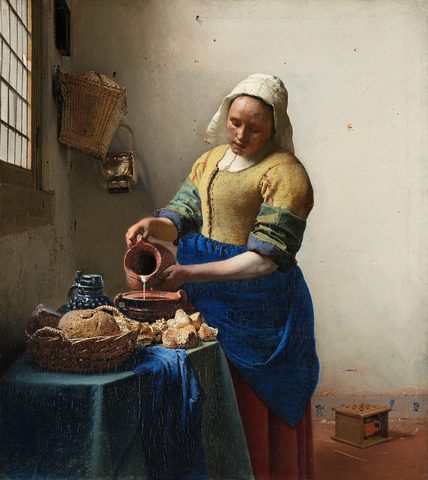
The Milkmaid
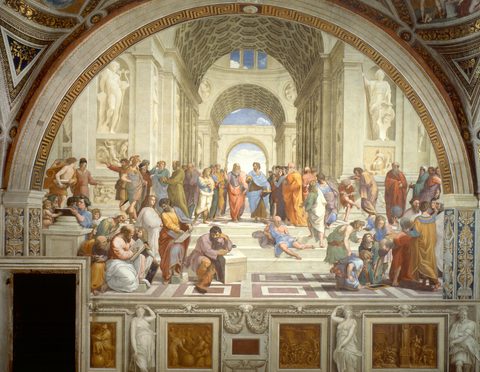
The School of Athens
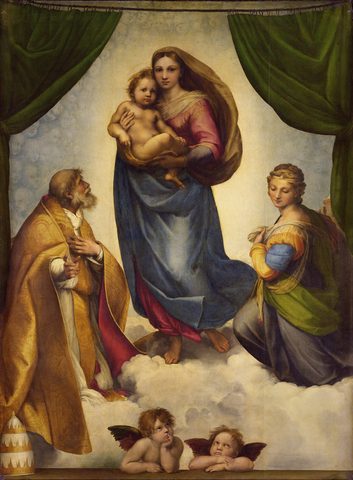
Sistine Madonna
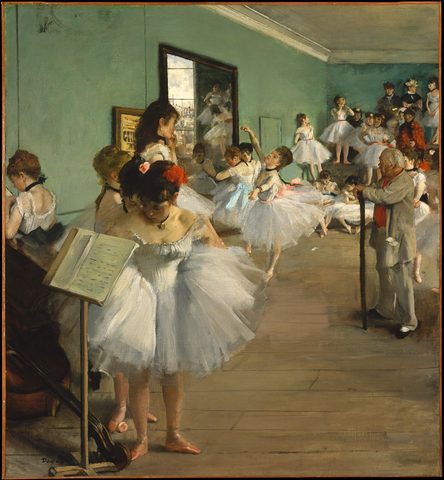
The Dance Class
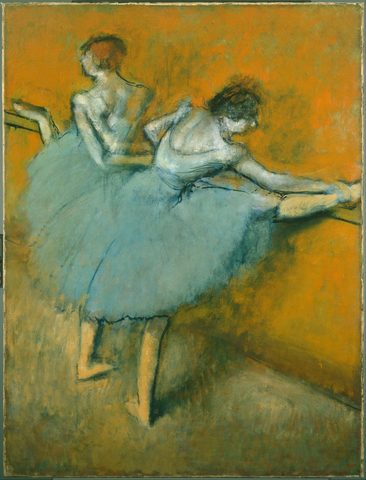
Dancers at the Barre
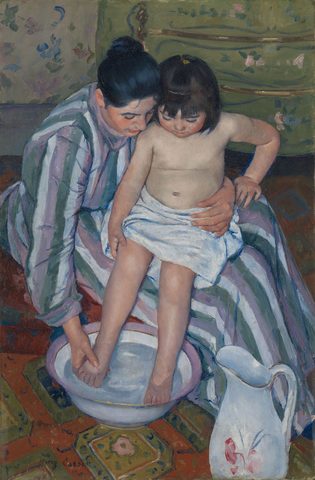
The Child's Bath
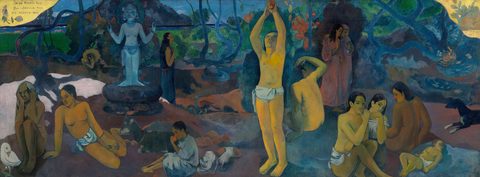
Where Do We Come From? What Are We? Where Are We Going?
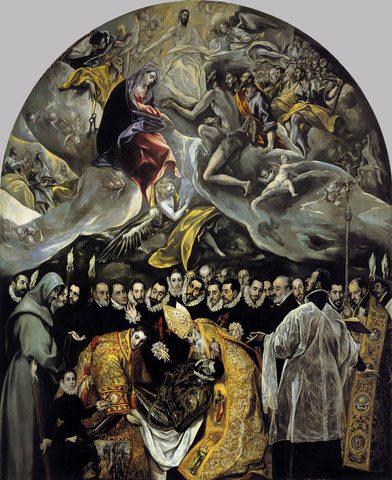
The Burial of the Count of Orgaz
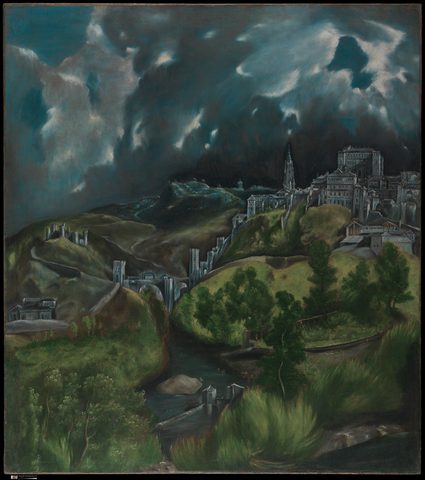
View of Toledo
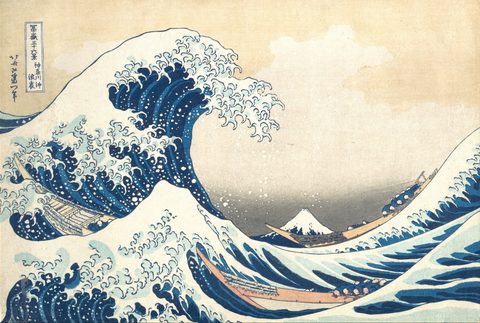
The Great Wave off Kanagawa
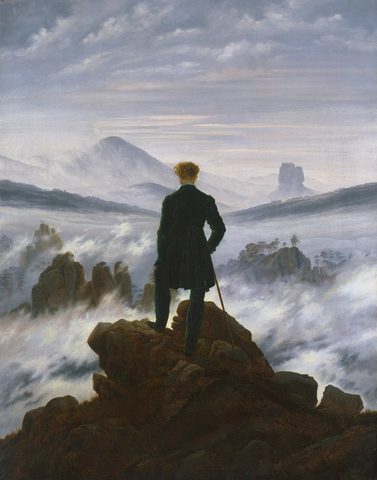
Wanderer above the Sea of Fog
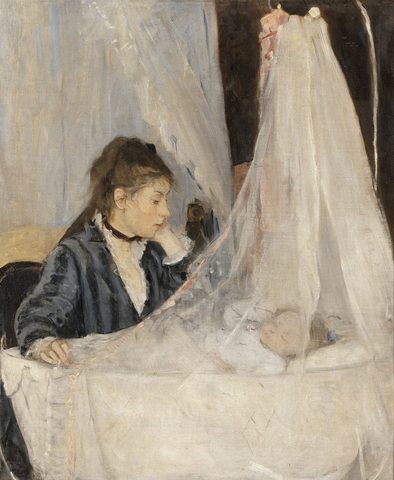
The Cradle
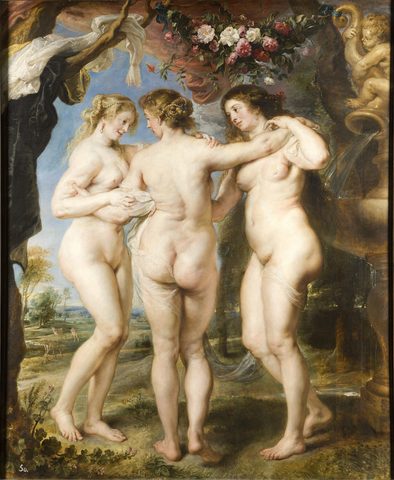
The Three Graces
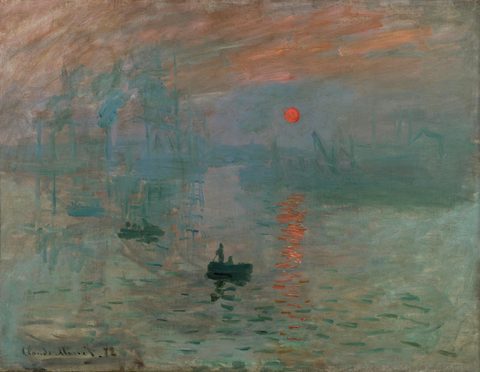
Impression, Sunrise
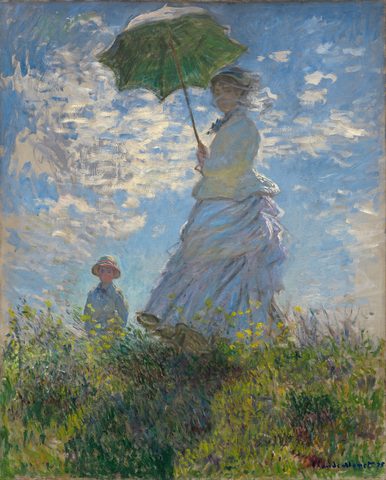
Woman with a Parasol – Madame Monet and Her Son
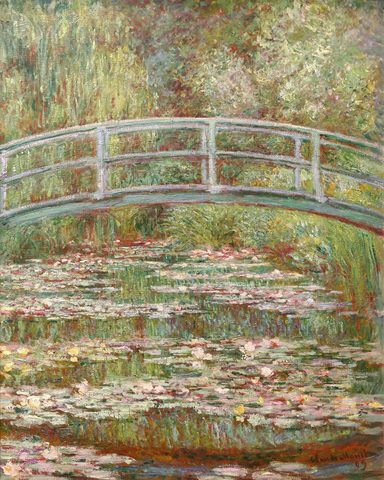
Bridge over a Pond of Water Lilies
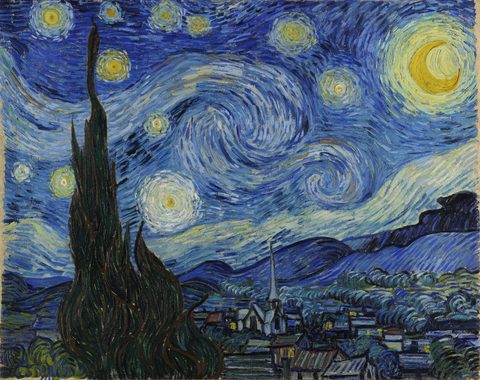
The Starry Night
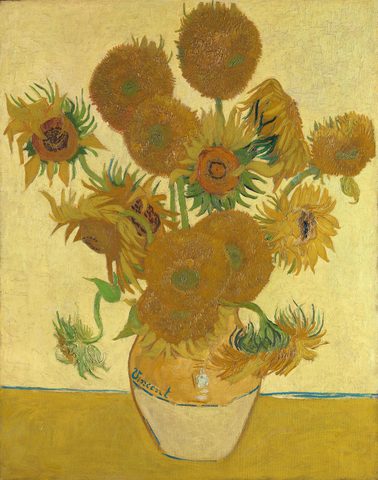
Sunflowers
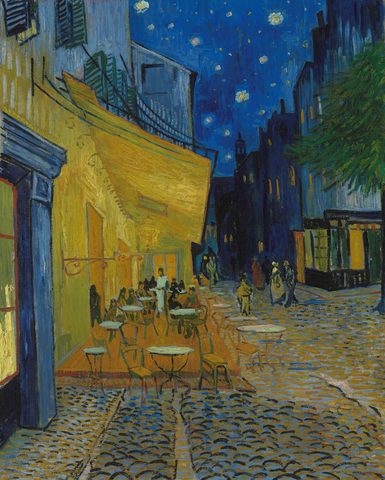
Café Terrace at Night
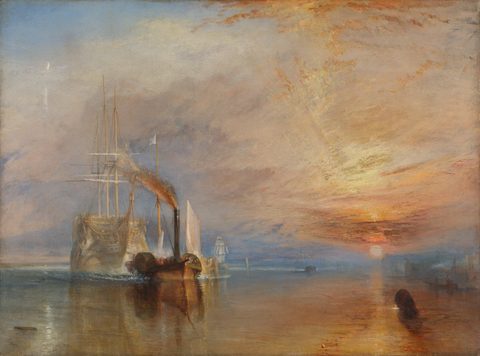
The Fighting Temeraire
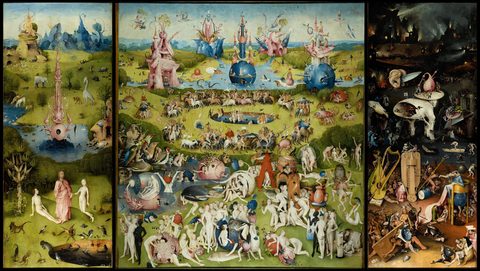
The Garden of Earthly Delights
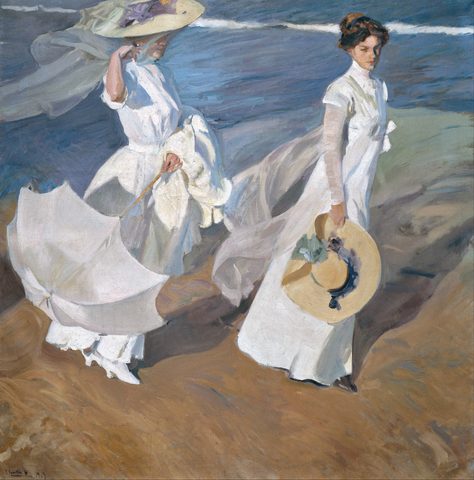
Strolling along the Seashore
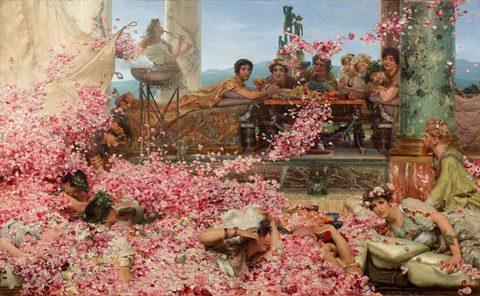
The Roses of Heliogabalus
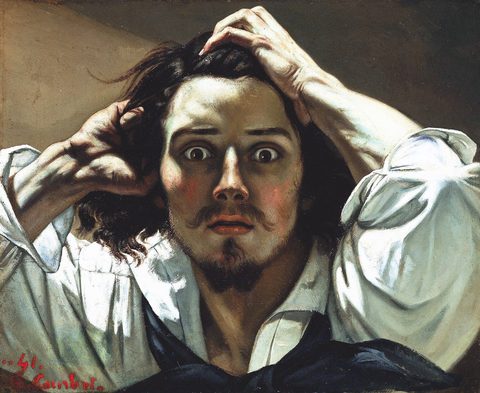
The Desperate Man
Famous paintings by period
The earliest works come from the Renaissance. Botticelli's The Birth of Venus (c. 1484-1486) and Primavera (1480-1485) hang in the Uffizi Gallery. Leonardo da Vinci painted The Last Supper (1490-1499) in Milan and Mona Lisa (1503-1506), now in the Louvre. Michelangelo's The Creation of Adam (1511) and The Last Judgment (1536-1541) are in the Vatican Museums, as is Raphael's The School of Athens (1512). His Sistine Madonna (c. 1512-1513) is in the Gemäldegalerie Alte Meister, Dresden. Hieronymus Bosch's The Garden of Earthly Delights (1490-1500) belongs to the Museo del Prado. El Greco's The Burial of the Count of Orgaz (1586) and View of Toledo (c. 1599-1600) close the century.
Caravaggio's Judith Beheading Holofernes (c. 1598-1599) and The Calling of Saint Matthew (1599-1600) use strong light and shadow. Rembrandt's The Night Watch (1642) is at the Rijksmuseum, and The Storm on the Sea of Galilee (1633) was stolen from the Isabella Stewart Gardner Museum in 1990. Vermeer's Girl with a Pearl Earring (c. 1665) and The Milkmaid (c. 1660) are quiet domestic scenes. Rubens's The Three Graces (1630-1635) is in the Museo del Prado.
Francisco Goya's The Third of May 1808 (1814) records a firing squad in Madrid. His Saturn Devouring His Son (1820-1823) is one of the Black Paintings made on the walls of his house, now in the Museo del Prado. Caspar David Friedrich's Wanderer above the Sea of Fog (c. 1818) shows a single figure on a rock. J. M. W. Turner's The Fighting Temeraire (1839) depicts an old warship being towed. Gustave Courbet's The Desperate Man (1843-1845) is a self-portrait in a private collection. Katsushika Hokusai's The Great Wave off Kanagawa (c. 1830-1832) is a woodblock print; one impression is at the Metropolitan Museum of Art.
Claude Monet's Impression, Sunrise (1872) gave the Impressionist movement its name. His Woman with a Parasol (Madame Monet and Her Son) (1875) and Bridge over a Pond of Water Lilies (1899) are famous Monet paintings. Pierre-Auguste Renoir's Bal du moulin de la Galette (1876) and Luncheon of the Boating Party (1880-1881) show Parisians at leisure. Edgar Degas's The Dance Class (1874) and Dancers at the Barre (1900) study ballet dancers. Berthe Morisot's The Cradle (1872) and Mary Cassatt's The Child's Bath (1893) focus on women and children.
Vincent van Gogh's The Starry Night (1889), Sunflowers (1888), and Café Terrace at Night (1888) are among the artist's best-known paintings. Paul Gauguin's Where Do We Come From? What Are We? Where Are We Going? (1897-1898) is a large allegorical canvas. Gustav Klimt's The Kiss (1907-1908) and Portrait of Adele Bloch-Bauer I (1907) use gold leaf. Joaquín Sorolla's Strolling along the Seashore (1909) and Lawrence Alma-Tadema's The Roses of Heliogabalus (1888) are also included.
What makes a painting famous
Several factors push a painting into the category of most famous paintings. Museum display matters. The Mona Lisa hangs in a crowded gallery at the Louvre, and The Night Watch has a dedicated room at the Rijksmuseum. A painting's home institution also shapes its reputation: the Vatican Museums show Michelangelo's frescoes in the Sistine Chapel. Repeated exposure in books and on posters fixes an image in memory. The Great Wave off Kanagawa appears on countless reproductions, from textbooks to dorm-room prints.
Theft and loss can add notoriety. Rembrandt's The Storm on the Sea of Galilee was stolen from the Isabella Stewart Gardner Museum in 1990 and is still missing. That single event made a lesser-known seascape into news around the world. School textbooks reproduce Leonardo's Last Supper and Michelangelo's Creation of Adam as standard examples of Renaissance painting. Controversy and strong subject matter also draw attention. Caravaggio's Judith Beheading Holofernes shows the moment of decapitation. Goya's Saturn Devouring His Son is a private nightmare painted on a dining room wall. Both are famous paintings because they refuse to look away.
Seeing them in person
Many of these famous paintings are in permanent collections. The Louvre in Paris shows Mona Lisa; the Vatican Museums hold Michelangelo's frescoes; the Rijksmuseum in Amsterdam has The Night Watch. Smaller museums also appear: the Mauritshuis in The Hague has Girl with a Pearl Earring, and the Hamburger Kunsthalle has Wanderer above the Sea of Fog.
Before you visit, check the museum's current displays. Major works are sometimes loaned for special exhibitions, and the room may be closed for conservation. Works on paper, such as Hokusai's The Great Wave off Kanagawa, rotate more often because light can fade pigments. Popular paintings like Mona Lisa draw crowds throughout the day, so plan your visit around opening hours. Most museums post current room locations online, and gallery staff can point you to a work if it has moved. This page lists owning institutions, but always confirm before traveling.