Landscape Paintings
A landscape painting takes the natural or rural world as its main subject: fields, forests, mountains, rivers, coasts, or gardens. Some landscapes include small human figures or buildings, but the land, sky, and weather carry the picture. Artists have treated landscape paintings as records of a specific place, as studies of light and air, or as arrangements of color and form. In this catalogue, you will find quiet Dutch canals, Turner's open seas, Friedrich's solitary mountains, and Kandinsky's colored fields.
Painters
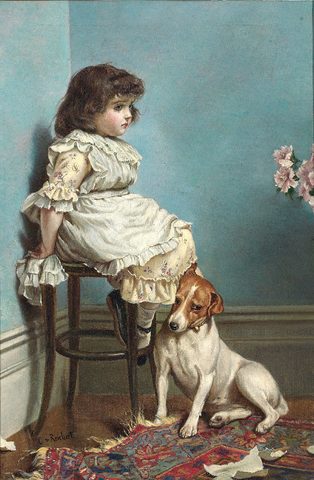
Carl Reichert
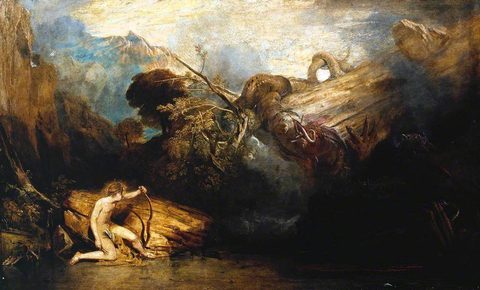
J. M. W. Turner
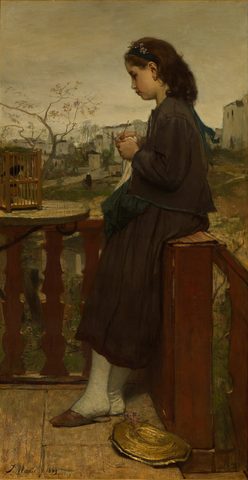
Jacob Maris
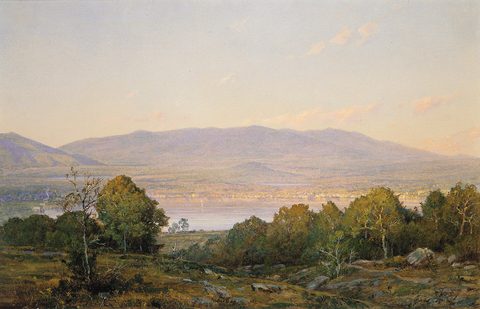
William Trost Richards
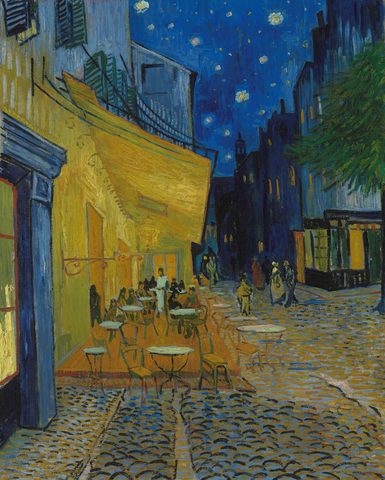
Vincent van Gogh
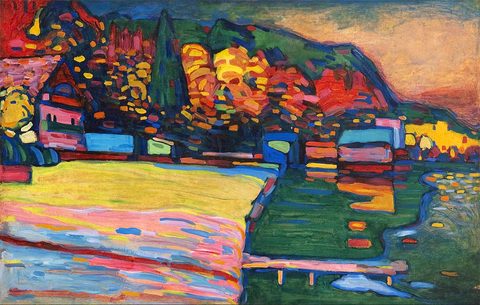
Wassily Kandinsky
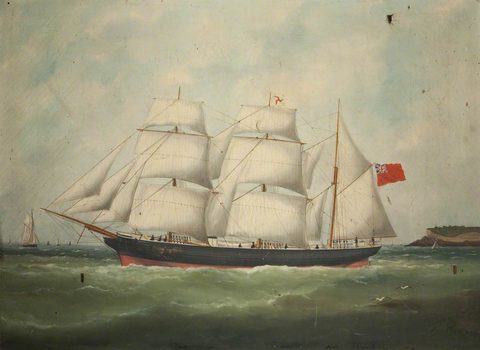
Édouard Adam
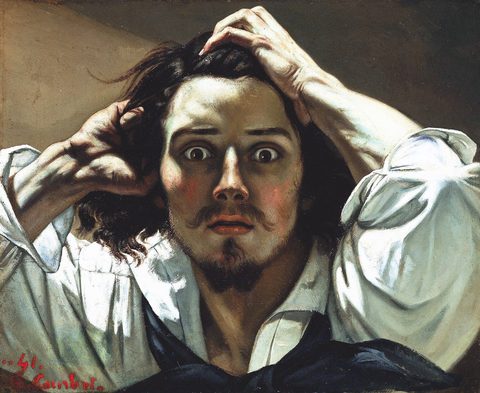
Gustave Courbet
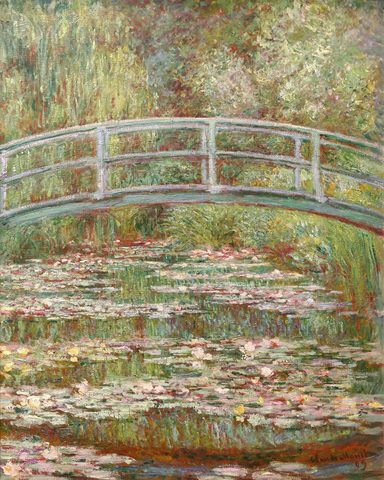
Claude Monet
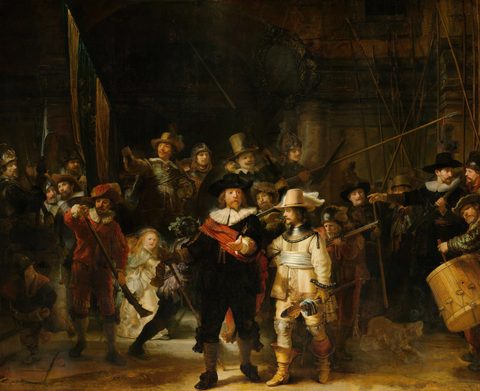
Rembrandt
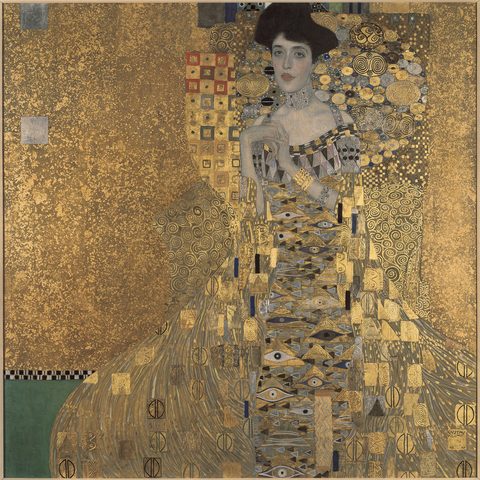
Gustav Klimt
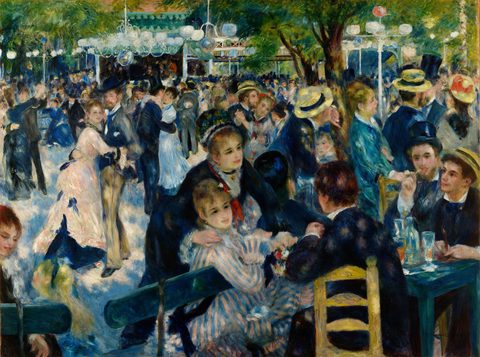
Pierre-Auguste Renoir
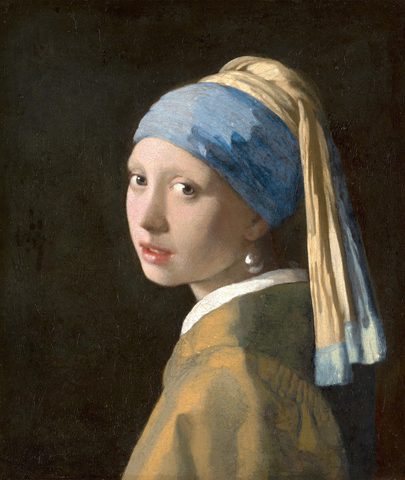
Johannes Vermeer
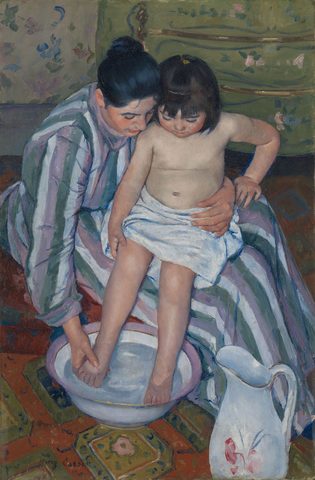
Mary Cassatt
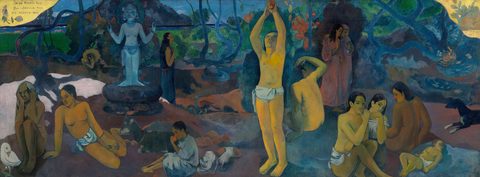
Paul Gauguin
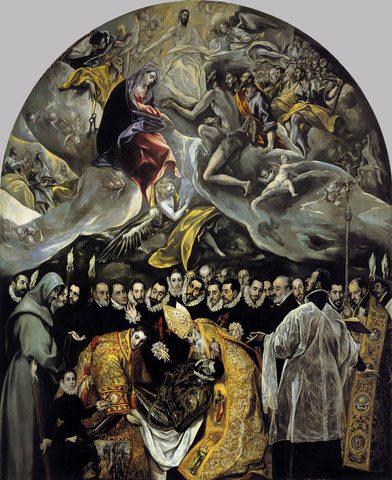
El Greco
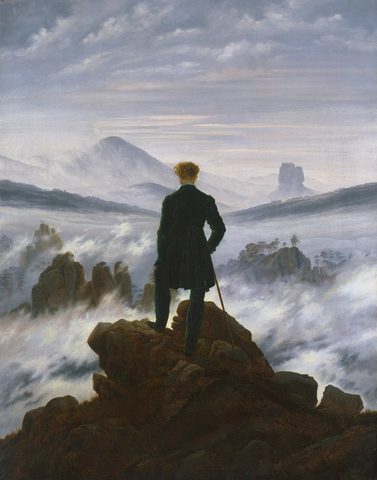
Caspar David Friedrich
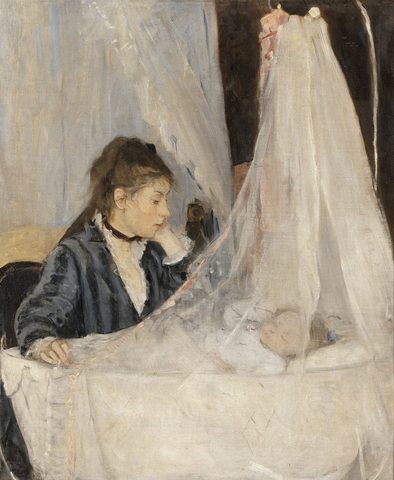
Berthe Morisot
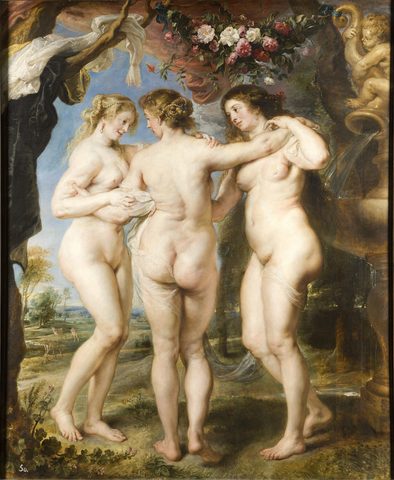
Peter Paul Rubens
A Short History of Landscape Paintings
In the Renaissance, landscape backgrounds gave depth to religious and mythological scenes. By the 1600s, Dutch painters treated canals, dunes, and wide skies as subjects in their own right; Rembrandt (1606-1669) made a few landscape drawings and paintings. In the 18th century, the rise of travel and the cult of the picturesque encouraged artists to sketch outdoors. In the 18th and early 19th centuries, British and German artists made landscape a vehicle for feeling. J. M. W. Turner (1775-1851) painted light, mist, and moving water on the coast and at sea. Caspar David Friedrich (1774-1840) placed small figures against vast mountains and cold morning light. Gustave Courbet (1819-1877) used thick paint and dark earth tones for rocky terrain. Later, Claude Monet (1840-1926) worked outdoors and recorded changing light on water and fields. Vincent van Gogh (1853-1890) turned orchards, wheat fields, and starry skies into strong color and visible brushwork. In the early 20th century, the oil landscapes of Wassily Kandinsky moved toward abstraction.
Painters in This Catalogue
J. M. W. Turner (British, 1775-1851) painted coastal light, rough water, and steam with loose, bright brushwork. Caspar David Friedrich (German, 1774-1840) used mountain views, isolated figures, and cold morning light to suggest solitude. Gustave Courbet (French, 1819-1877) worked with palette knife and thick paint on rocky woodland scenes. Claude Monet (French, 1840-1926) painted the same fields and rivers under changing light, often outdoors. Vincent van Gogh (Dutch, 1853-1890) used strong color and visible strokes for orchards and wheat fields. Jacob Maris (Dutch, 1837-1899) focused on flat Dutch land, canals, and wide cloudy skies. William Trost Richards (American, 1833-1905) painted coastal rocks and Atlantic light with precise, realistic detail. Wassily Kandinsky (Russian and French, 1866-1944) moved from landscape views to colored abstraction.
What to Look At
Start with the horizon line and the main masses of land, trees, or water. Notice where the light falls and what stays in shadow. Then move close to see brushwork and paint surface. In oil paintings, thick strokes can describe rock, while thin washes suggest sky or water.