Still Life Painting: History, Styles, and How to Look
In painting, a still life is an arrangement of inanimate objects, such as fruit, flowers, tableware, dead game, books, or musical instruments. A still life painting treats these things as the main subject, usually set on a table or a ledge. The objects often carry symbolic meanings: ripe fruit can suggest abundance or decay, a skull reminds viewers of mortality, and a burning candle marks passing time. Because the setup stays still, artists can study light, color, and texture over many sessions. This is a genre built on close looking.
A short history of still life painting
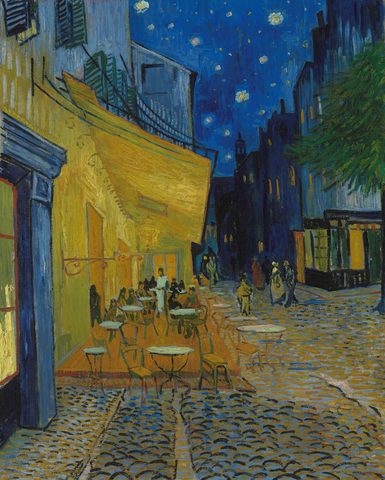
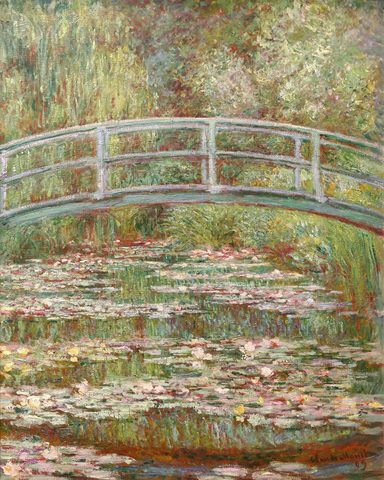
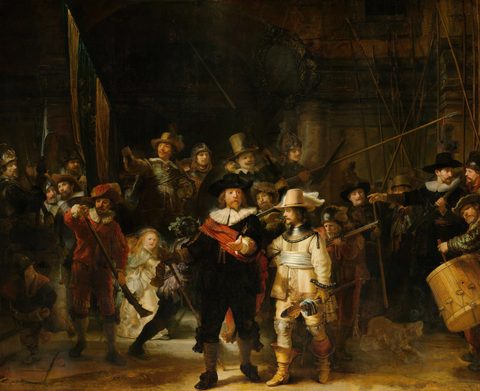
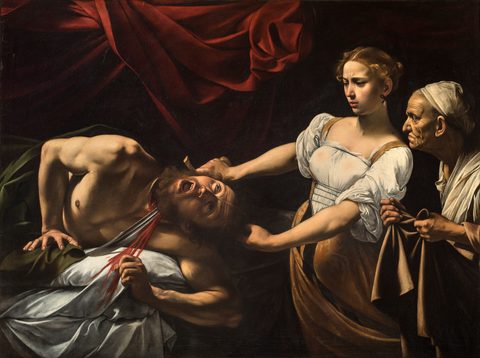
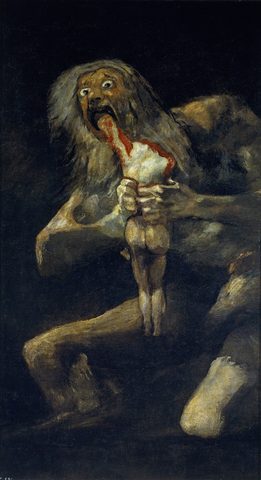
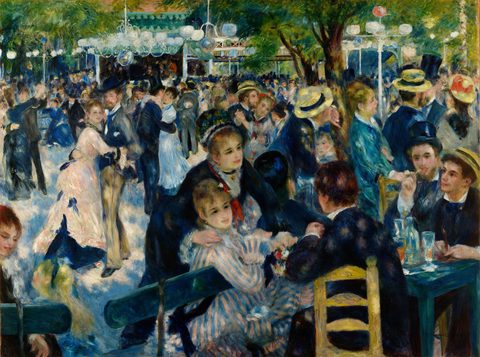
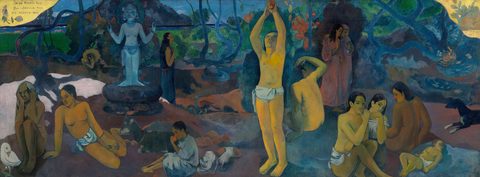
Still life painting became an independent subject in Europe during the late Renaissance, when artists separated everyday objects from the backgrounds of religious scenes. Italian painter Caravaggio, born in 1571, gave fruit and leaves the same close attention as human figures. In the Dutch Republic, 17th-century painters specialized in tables set with food, flowers, and luxury goods, often adding a skull or a clock as a reminder of mortality. Rembrandt, born in 1606, painted still-life elements with thick paint and deep shadow, though his main work was portraiture and history painting. In the 1700s, the genre continued in Spain and France, where kitchen and pantry subjects stayed popular. By the late 1800s, artists such as Monet, Renoir, and Van Gogh used still life to test color and light; Van Gogh painted sunflowers and irises with visible brushstrokes. Paul Gauguin, born in 1848, pushed still life toward flat, decorative color. Francisco Goya, born in 1746, made small still lifes of dead birds and fish with loose handling.
Painters in this catalogue
Here are the painters in this catalogue who took up still life subjects. Their dates range from 1571 to 1926.
- Vincent van Gogh (1853-1890), Dutch, used thick brushstrokes and strong color in flower and fruit pieces.
- Claude Monet (1840-1926), French, painted still lifes of flowers and fruit.
- Rembrandt (1606-1669), Dutch, brought dark backgrounds and dramatic light to objects and dead game.
- Caravaggio (1571-1610), Italian, gave fruit and baskets a precise, almost sculptural presence.
- Francisco Goya (1746-1828), Spanish, made small, loosely painted still lifes of fish and birds.
- Pierre-Auguste Renoir (1841-1919), French, used soft color and dappled light in flower and fruit arrangements.
- Paul Gauguin (1848-1903), French, flattened space and used unexpected color in still lifes, often with tropical fruit.
What to look at
Look first at the arrangement: where objects sit, what overlaps, and what stands upright. Notice the light source and where shadows fall. Then look at the painted surface: thick or thin strokes, glazes, and textures. Compare edges of objects to the background.