Famous Baroque Paintings from the 1600s
Baroque painting took shape in Europe during the 1600s, from Rome to Amsterdam and Antwerp. The term covers court portraits, biblical scenes, and quiet domestic moments. Painters in Catholic Italy and the Spanish Netherlands often worked for churches and courts, while Dutch artists often painted smaller works for merchants. Among the famous Baroque paintings in this catalogue are Rembrandt's The Night Watch, Caravaggio's The Calling of Saint Matthew, and Vermeer's Girl with a Pearl Earring. Baroque painting followed the High Renaissance and used strong contrast to pull the eye.
Painters
Paintings
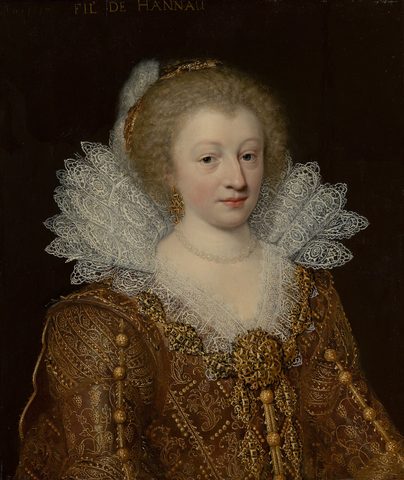
Portrait of Catharina Belgica
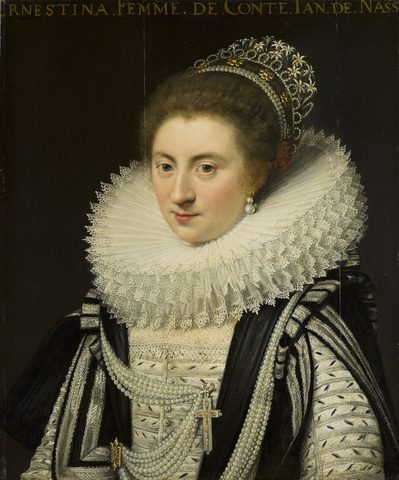
Portrait of Ernestine Yolande, Princess of Ligne
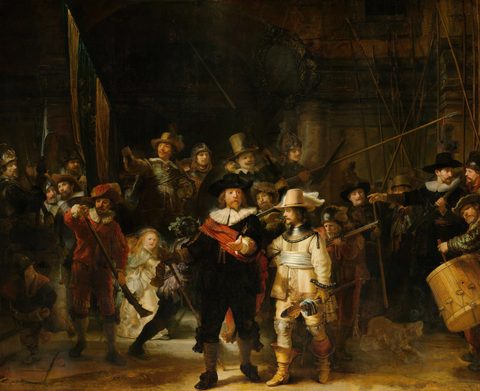
The Night Watch
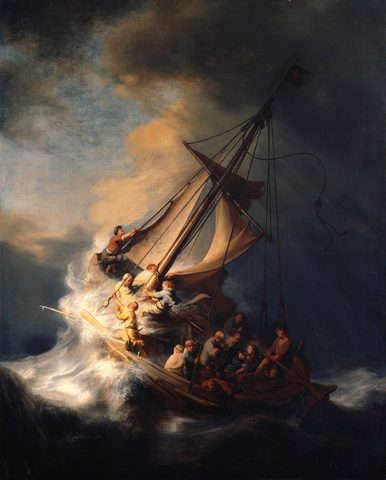
The Storm on the Sea of Galilee
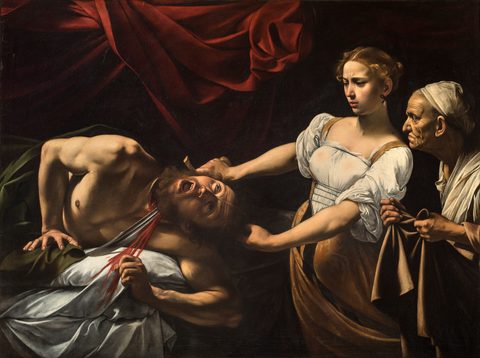
Judith Beheading Holofernes
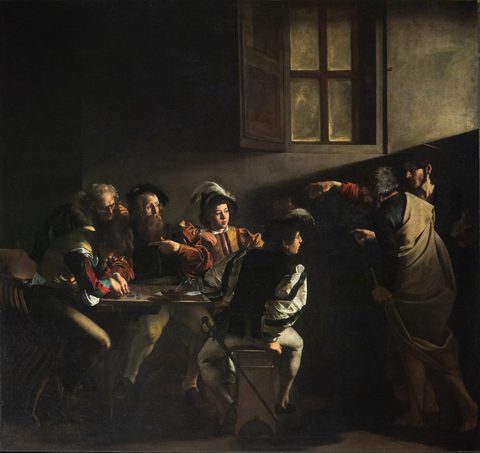
The Calling of Saint Matthew
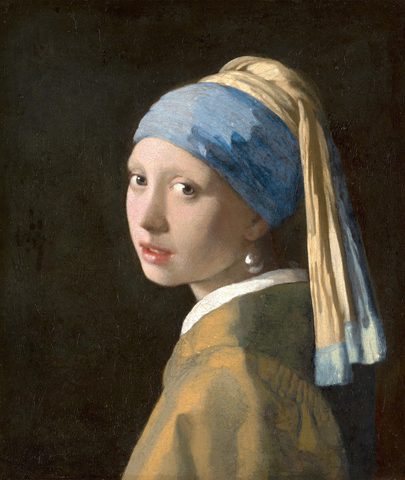
Girl with a Pearl Earring
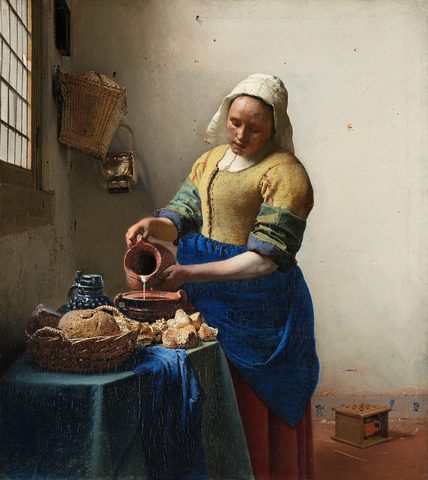
The Milkmaid
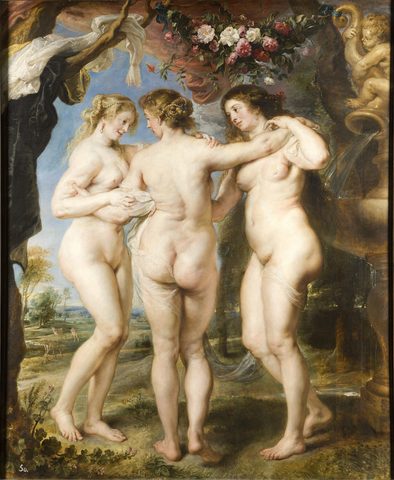
The Three Graces
What defines Baroque painting
Compared with the balanced compositions of High Renaissance painting, Baroque artists often placed figures closer to the picture plane and built scenes along diagonals. Where Renaissance painters often distributed light evenly, Baroque artists let darkness dominate and picked out only the main actors. Dark backgrounds, deep reds, and a single strong light source appear in works like Caravaggio's Judith Beheading Holofernes. The oil technique allowed soft transitions from shadow to bright skin or cloth. Subjects ranged from biblical stories and royal portraits to taverns and kitchens. Large altarpieces and ceiling frescoes suited churches, while smaller cabinet pictures and portraits suited private rooms. Dutch Baroque painters in particular observed surfaces carefully: brass, linen, fur, and glass. What these painters shared was an interest in physical presence and emotional directness. A viewer often sees a specific moment, a gesture, or a turned head that carries the story. In Rembrandt's The Storm on the Sea of Galilee, the waves and rigging carry the same dramatic tension as the figures.
Baroque painters in this catalogue
Jan van Ravesteyn (1572-1657) was a Dutch portrait painter. His portraits of Catharina Belgica and Ernestine Yolande, dating from 1617 and 1620, show courtly dress with precise attention to lace.
Rembrandt (1606-1669) worked in Amsterdam. The Night Watch from 1642 and The Storm on the Sea of Galilee from 1633 show his dramatic shadows and movement. He used thick paint and strong shadow to make group scenes feel active.
Caravaggio (1571-1610) painted in Rome and Naples. Judith Beheading Holofernes and The Calling of Saint Matthew use a single harsh light in dark, shallow spaces. The light often falls across a single face or hand.
Johannes Vermeer (1632-1675) lived in Delft. Girl with a Pearl Earring and The Milkmaid turn quiet moments into careful studies of light and fabric. Many of his small canvases show a single figure near a window.
Peter Paul Rubens (1577-1640) ran a large Antwerp workshop. The Three Graces, painted 1630-1635, shows his rounded figures and warm, flowing forms. He combined courtly elegance with physical weight.
Where to see famous Baroque paintings
You can see Baroque painting in the Rijksmuseum in Amsterdam, the Mauritshuis in The Hague, and the Museo del Prado in Madrid. Some works remain in Roman churches, such as San Luigi dei Francesi. The Galleria Nazionale d'Arte Antica in Rome also holds major examples.