Renaissance Paintings: Key Works, Artists, and Museums
Renaissance paintings emerged in Italy in the 14th century and spread across Europe through the 16th century, carrying a revived interest in classical antiquity. Artists placed the human body, natural light, and linear perspective at the center of their work. The movement reached the Netherlands and Spain as well, producing distinct regional styles. Major centers included Florence, Venice, Rome, and later Antwerp and Toledo. The term Renaissance means rebirth; painters and patrons looked back to Roman sculpture, architecture, and literature for models.
What defines Renaissance paintings
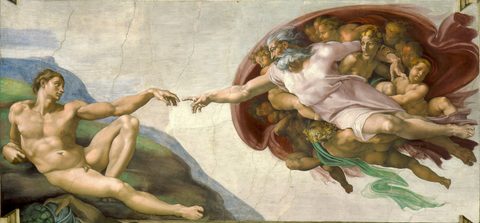
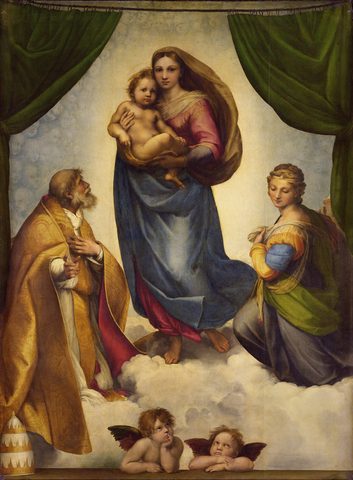
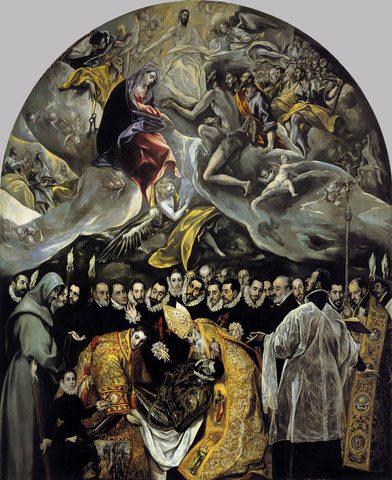
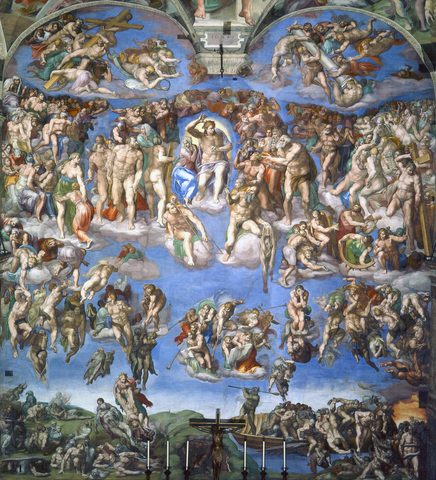
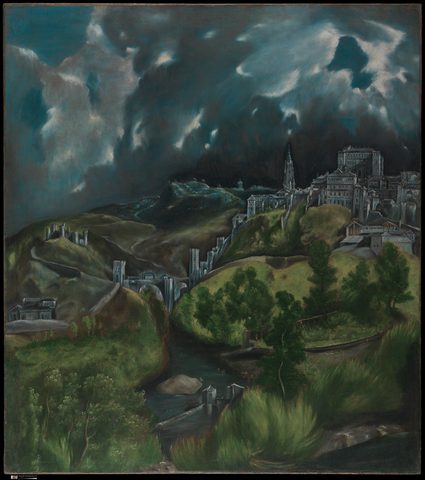
Renaissance art pieces moved away from the flat, gold-ground figures of medieval painting. Artists studied anatomy and used linear perspective to create believable space on wood panels, canvas, and frescoed walls. Oil paint allowed thin glazes and softer transitions between light and shadow. Fresco painting on damp plaster remained important for large wall scenes, as in Michelangelo's Vatican works. Subjects expanded from biblical scenes to portraits, mythological stories, and allegories. Colour became more natural, with local hues modeled in light and shade. Light falls from a consistent source, giving faces and drapery a sculpted look. Compositions often use triangular or pyramidal arrangements to focus attention on the main figure. Landscapes and architectural settings recede convincingly behind the figures. Typical formats included altarpieces, devotional panels, and large wall cycles for churches and palaces. By the late 16th century, some painters stretched these conventions with elongated bodies and dramatic skies, as El Greco did in Toledo.
Renaissance painters in this catalogue
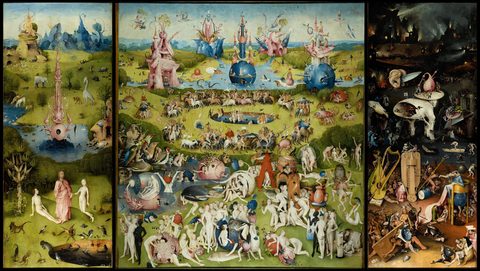
Hieronymus Bosch, a Netherlandish painter, used Renaissance naturalism for moral allegories. His triptych The Garden of Earthly Delights (1490-1500) is in the Museo del Prado.
Michelangelo, an Italian sculptor and painter, gave fresco figures a sculpted weight. The Creation of Adam (1511) and The Last Judgment (1536-1541) are in the Vatican Museums.
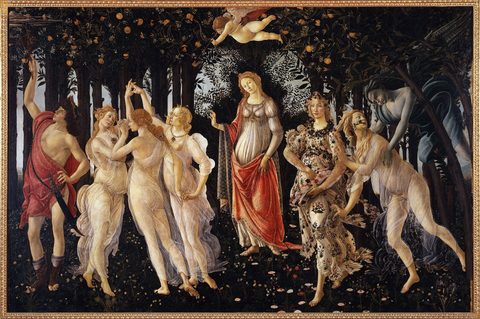
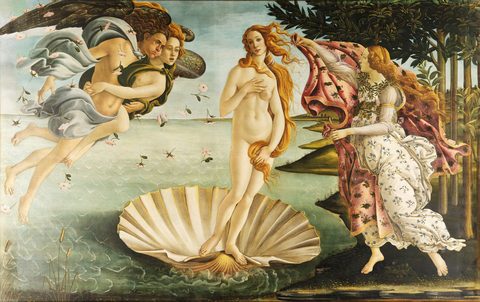
Sandro Botticelli, an Italian painter born in 1445, combined linear grace with mythological subjects. The Birth of Venus (c. 1478-1485) and Primavera (1480-1485) hang in the Uffizi Gallery.
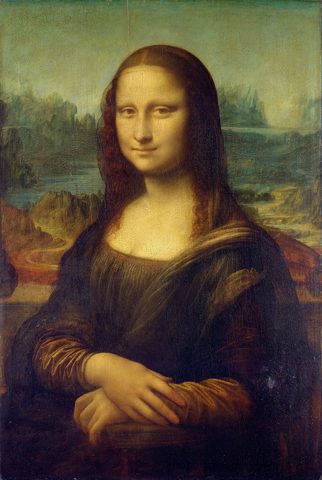
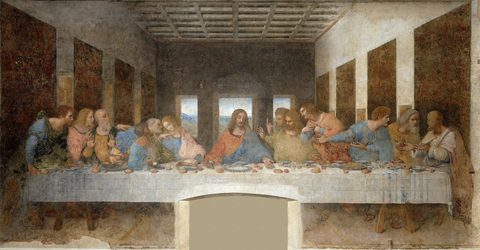
Leonardo da Vinci, an Italian painter, softened edges with sfumato. Mona Lisa (1503-1506) and The Last Supper (1490-1499) are among the most famous Renaissance paintings.
Raphael, born in 1483, balanced clear composition with calm colour. His Sistine Madonna (c. 1512-1513) is at the Staatliche Kunstsammlungen Dresden.
El Greco, a Greek painter active in Spain, stretched Renaissance forms with elongated figures and intense light. The Burial of the Count of Orgaz (1586) is in the Church of Santo Tomé; View of Toledo (1596) is at the Metropolitan Museum of Art.
Where to see it
Major European collections with strong Renaissance holdings include the Uffizi Gallery in Florence, the Vatican Museums in Rome, the Louvre in Paris, and the Museo del Prado in Madrid. In the United States, the Metropolitan Museum of Art in New York holds examples such as El Greco's View of Toledo.